
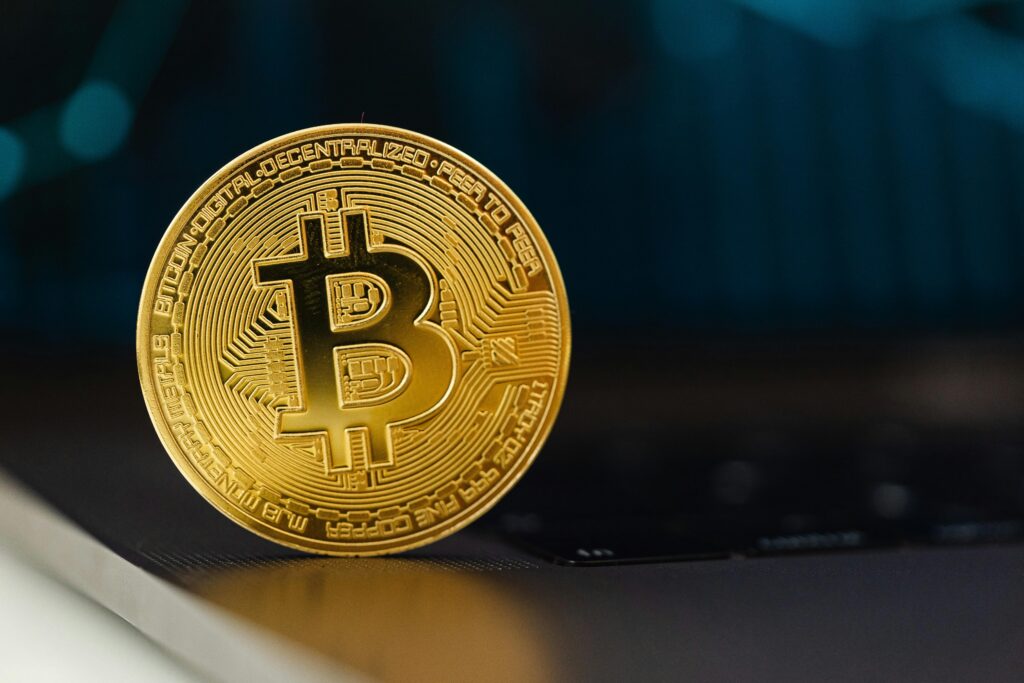
In a world already rife with economic uncertainty, stagflation concerns are casting a long shadow over Bitcoin’s performance, currently treading just below $85,000. The growing tensions between the U.S. administration and the Federal Reserve are adding layers of complexity and potential volatility for investors eyeing the crypto giants.
Stagflation Concerns and Market Reactions
Markets experienced a notable dip on Wednesday following sharp comments from Fed Chair Jerome Powell. Powell criticized President Trump’s tariff policy, pointing out a concerning trend of a slowing economy paired with rising prices—hallmarks of stagflation. Powell’s comments suggested a more aggressive monetary policy stance was necessary, which unnerved investors.
Amplifying these stagflation concerns, President Trump, despite having once endorsed Powell, reportedly contemplates his removal. This move, reported by WSJ, could further destabilize an already fragile market.
The situation is exacerbated by the European Central Bank’s decision to cut key interest rates for the seventh time, citing stagnant economic growth outlooks. In the U.S., the Philadelphia Fed manufacturing index plummeted this month, with its lowest reading in two years, giving further weight to fears that the large-scale tariff policies might usher in a period of stagflation.
The S&P 500 and Nasdaq were mostly flat, signaling investor caution amid the stagflation concerns and geopolitical uncertainties.
Bitcoin’s Response in an Uncertain Market
In the crypto space, Bitcoin and Ethereum marked slight gains, with BTC holding between $83,000 and $86,000. Market updates show traders are hedging, seeking to position against potential market downturns. On Deribit, traders chased bullish call options at higher strikes, while also buying put options as insurance against price declines. This two-pronged approach reflects the complex sentiments driven by current market news.
Meanwhile, other cryptocurrencies, particularly those in the CoinDesk 20 Index, have generally performed well, showcasing resilience amid broader economic instability. Bitcoin Cash (BCH), NEAR, and AAVE led these gains, reflecting a cautiously optimistic crypto market.
Conclusion: Navigating Stagflation Concerns
Amid these stagflation concerns, the crypto market’s minute fluctuations underline the broader economic challenges stemming from political pressures and policy decisions. Investors and analysts alike must tread carefully within this volatile economic landscape.
For further insights, investors can explore detailed analysis on Investopedia.
At Bakara Invest, our analysis suggests that stagflation concerns will continue to impact market dynamics significantly, warranting a cautious approach from investors monitoring both macroeconomic indicators and crypto market trends.
For more crypto market insights, visit our Crypto News Section.
